
Myths about Learning Disabilities
There are many myths, stereotypes, and misconceptions about learning disabilities (LDs). Misinformation is prevalent, and it can be difficult to determine myths from facts.
In this article, we look at ten myths and then explain the facts related to LDs.
1. Myth: Learning disabilities (LDs) are interchangeable with other disorders like autism, ADHD, and mental health disorders.
Fact: LDs include a variety of learning disabilities that make it difficult to be successful in academic and work settings. Math, reading, writing, spelling, and other academic skills can be difficult for students with LDs to process or may take more time to complete compared to peers.
Fact: Many individuals with an LD also have co-occurring cognitive or behavioral disorders including inattention (40%) and hyperactivity (30%; McArthur et al. 2024). And 40% of individuals with dyslexia (reading disorder) have at least one other neurodevelopmental disorder (Bonti et al. 2024). Thus, LDs often co-occur with other diagnosed conditions (autism, ADHD, anxiety, etc.) but these conditions are separate from the learning disability.

2. Myth: LDs are associated with visual or hearing disabilities.
Fact: LDs are not a vision of hearing issue. Individuals with LDs have difficulty processing language which can include difficulty with reading, mathematics, and writing (Muktamath et al. 2022). LDs are associated with unique brain networks that receive, process, store, retrieve, and communicate information differently than neurotypical individuals making traditional academic skills difficult.
Fact: Some individuals may have both learning disabilities and vision or hearing disabilities, but visual and hearing issues do not cause learning disabilities (Handler and Fierson 2011, Muktamath et al. 2022).
3. Myth: LDs indicate that a person has a low IQ.
Fact: By definition, individuals with learning disabilities do not have below normal intellectual capacity. The DSM-5 states “in individuals who otherwise demonstrate normal levels of intellectual functioning” as a main criterion for learning disabilities (APA 2013). If a person has low IQ, they have a cognitive disorder or intellectual disability. Most individuals with learning disabilities have average or above average IQs.
Fact: Additionally, individuals with different native languages or lacking opportunities to learn are not considered to have a learning disability (although they are often mis-identified as having LDs instead of needing additional language learning assistance; Sanatullova-Allison and Robison-Young 2016). When these individuals are provided with materials in their native language, they do not have issues with learning.
4. Myth: Individuals with LDs are just lazy and unmotivated to learn.
Fact: Dyslexia and other LDs are neurological disorders unrelated to effort or motivation. In fact, many individuals with dyslexia try harder than their peers to complete tasks (Stark and Johnson 2025). Children and adults with dyslexia often find alternative ways of gathering knowledge, and develop their own strategies to learn, work, and achieve in life.
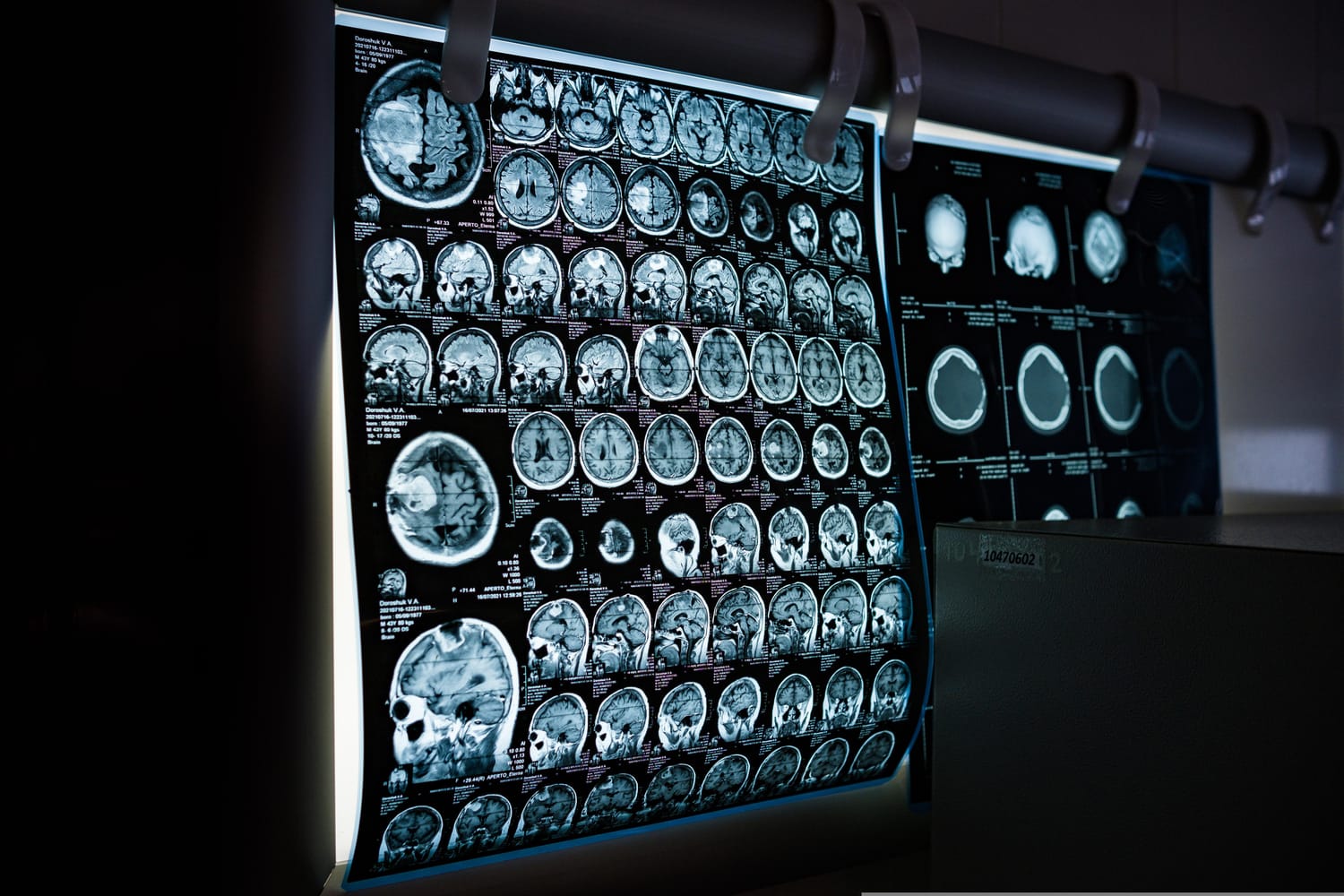
Fact: Research has shown via fMRIs that individuals with dyslexia use different parts of their brain when reading and working with language (Yan et al. 2024, Martins et al. 2025). Dyslexic people have different patterns of brain function when reading which can make it difficult to extract meaning from text. These findings provide evidence that people with dyslexia do not lack intelligence and are not lazy or stupid. Their brains just work differently.
5. Myth: Children will outgrow learning disabilities.
Fact: LDs are neurological disorders that result in different brain networks and functions (Muktamath et al. 2022). Therefore, LDs are lifelong disabilities.
Fact: There are no cures for learning disabilities, but early interventions and support can help individuals be successful in academic and work settings.
6. Myth: Boys are more likely than girls to have a learning disability.
Fact: Although boys are more likely to be identified as having a learning disability, more recent data suggests that boys and girls have equal likelihood of having a learning disability. Boys are more likely to be evaluated for learning disabilities as they are more likely to show frustration when learning and become disruptive in educational environments (termed ascertainment bias; Quinn and Wagner 2013). Girls with learning disabilities are often unidentified and therefore do not receive interventions to help with learning.

7. Myth: Medications can be used to treat LDs.
Fact: Unlike ADHD and behavioral disabilities, LDs cannot be treated with medications. However, individuals with behavioral disabilities that receive psychotropic medications as part of their treatment for their behavioral disorders and who also have learning disabilities may find it easier to manage their learning disability while on these medications usually due to increased ability to focus on learning (Deb 2006).
8. Myth: All individuals with a learning disability are dyslexic.
Fact: Although dyslexia is the most common learning disability (with approximately 80% of people with an LD having dyslexia), not all people with a LD have dyslexia (Handler and Fierson 2011, Muktamath et al. 2022).
9. Myth: Dyslexia is reading backwards.
Fact: Dyslexia is defined by difficulties with reading accurately and fluently as well as challenges with decoding words, spelling, learning new languages, and memorizing information (Stark and Johnson 2025). So, although some individuals may have difficulty with reading backwards, this is not the defining characteristics of dyslexia.
10. Myth: Dyslexic individuals will never learn to read.
Fact: Most individuals with dyslexic learn to read but may be slower at reading or have lower reading comprehension. Individuals who are diagnosed early and receive interventions are more likely to develop effective strategies and achieve academic success (Stark and Johnson 2025).

References
American Psychiatric Association. (2013). Diagnostic and statistical manual of mental disorders (5th ed.) https://doi.org/10.1176/appi.book.9780890425596.
Bonti, E., Zerva, I., Koundourou, C., and Sofologi, M. (2024). The high rates of comorbidity among neurodevelopmental disorders: reconsidering the clinical utility of distinct diagnostic categories. Journal of Personalized Medicine 14: https://doi.org/10.3390/jpm14030300
Deb, S. (2006). Medication for behavior problems associated with learning disabilities. Psychiatry 5: 368-371.
Handler, S., and Fierson, W. (2011). Learning Disabilities, dyslexia and vision. Pediatrics 127: e818-e856.
Martins, B., Verrone, I., Sakamoto, M., Baba, M., Yvata, M., Lukasova, K., and Nucci, M. (2025). Resting-state functional MRI in Dyslexia: A systematic Review. Biomedicines 13: https://doi.org/10.3390/biomedicines13051210.
McArthur, G., Doust, A., Banales, E., Robidoux, S., and Kohnen, S. (2024). Are comorbidities of poor reading related to elevated anxiety in children? Annals of Dyslexia 74:47-65.
Muktamath, V., Hegde, P., and Chand, S. (2022). Types of Specific Learning Disabilities. In Learning Disabilities: Neurobiology, assessment, clinical features and treatments. IntechOpen, London.
Quinn, J. and Wagner, R. (2013). Gender differences in reading impairment and in the identification of impaired readers: results from a large-scale study of at-risk readers. Journal of Learning Disabilities 48:433-445.
Sanatullova-Allison, E. and Robinson-Young, V. (2016). Overrepresentation: An overview of the issues surrounding the identification of English Language Learners with Learning Disabilities. International Journal of Special Eduction 31: 2.
Stark, Z. and Johnson, A. (2025). Understanding the experience of adults with dyslexia: a quantitative and qualitative analysis. Annals of Dyslexia https://doi.org/10.1007/s11881-025-00336-z
Yan, X., Feng, G. Fu, Y., Hua, J., and Cao, F. (2024). Age-related changes in individuals with and without reading disability: behavioral and fMRI evidence. Imaging Neuroscience https://doi.org/10.1162/imag_a_00232


Created with systeme.io