
Models of Disability
Understanding Neurodiversity through Models of Disability
Perspectives on disability have evolved over time and within different cultures. Thus, people may have different viewpoints and underlying beliefs about disabilities at both the individual and community level. To better understand the different perspectives related to neurodiversity, we will explore three different disability models and how neurodiversity fits into these different models.
Moral Model
The moral model of disability links impairments (physical, mental, or emotional differences found in an individual) with a person’s character, deeds, or karma. The cultural context becomes the underlying lens used to view impairments and determine if an individual is disabled (Olkin 2022). In some cultures, specific impairments are associated with blame, shame, and moral failing resulting in the individual being perceived as disabled. Other cultures may honor an individual with the same impairment seeing their differences as a “gift from God” or allowing the individual “spiritual insights” denied to those without the impairment. In these cultures, impairment is less likely to become a disability.
The neurodiverse community views impairments as a valuable expression of human variation (National Autistic Society 2026). Therefore, neurodivergence is not associated with any aspect of morality (character traits, behaviors, karma, etc.) and instead should be understood as a natural variation in how individuals think, act, and relate to the world. To reduce the disabling aspects of neurodiverse traits, barriers need to be removed to support inclusion and acceptance (National Autistic Society 2026).
Medical Model
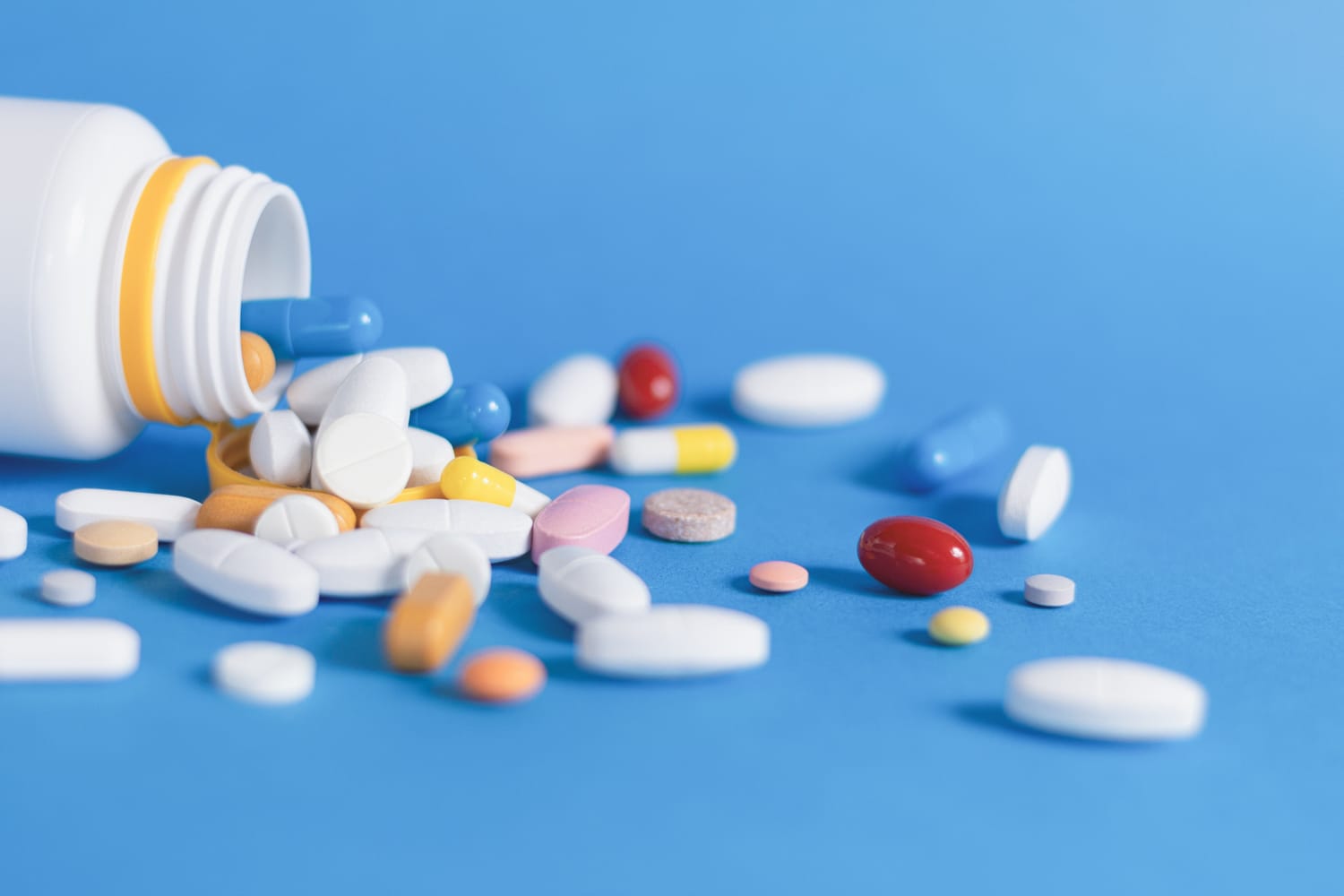
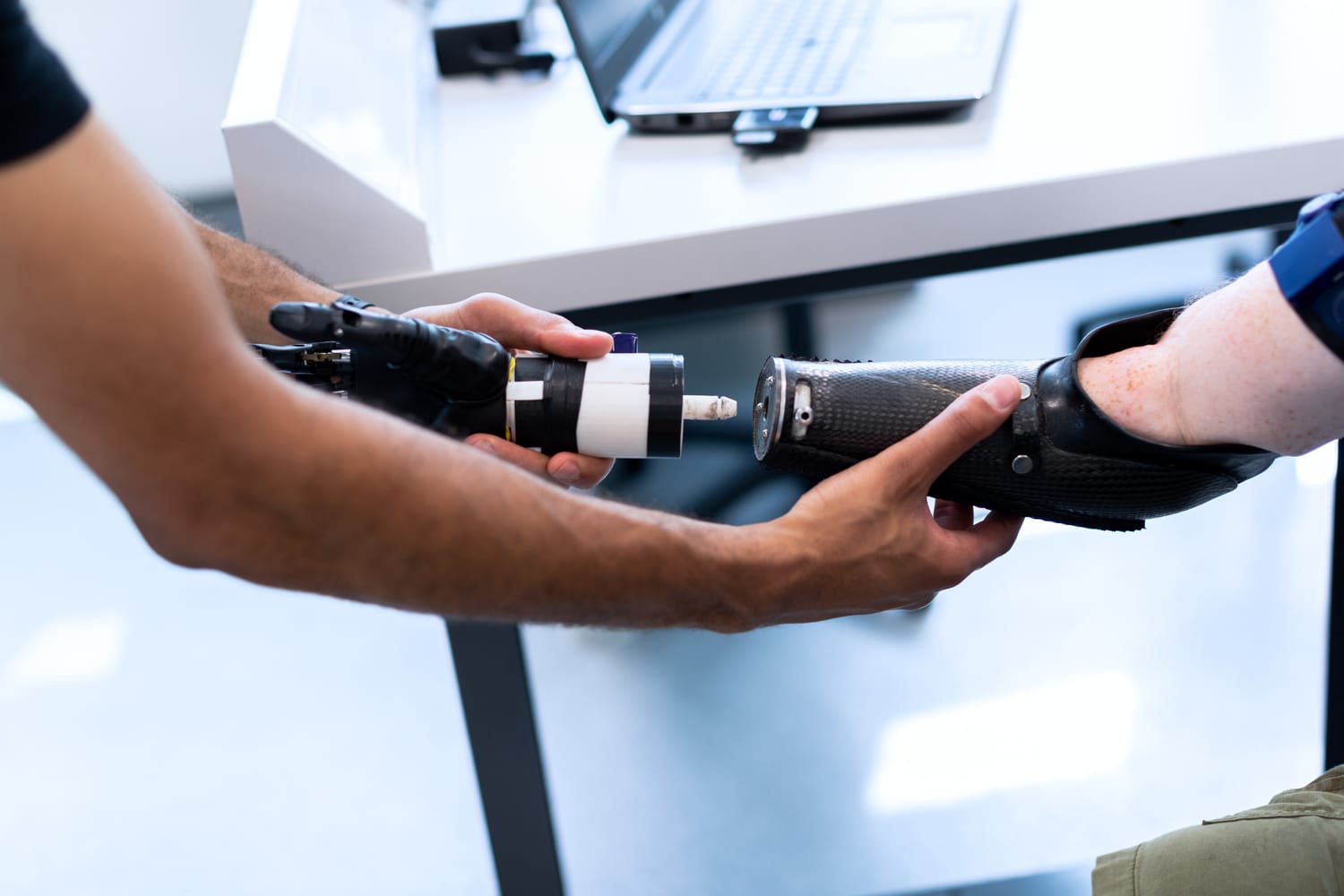
In the medical model of disability, impairments are an individual’s medical condition (disease, disorder, injury, etc.) that causes disability. The medical model strives to diagnosis and cure impairments that cause disability with the goal of returning individuals to an unimpaired (“normal”) state. When cures are not possible, the healthcare provider looks to manage the impairment through medical treatments including medications, surgery, rehabilitation, behavioral conditioning, and different types of assistive devices (braces, prosthetics, screen-readers, etc.).
In the medical model, doctors and other medical professionals are the experts in the condition and individuals with impairments are expected to follow medical advice and strive to work toward a cure (or at least a reduction in their condition). An individual’s impairment is viewed through a clinical lens (pathology-based approach) with no consideration of the environmental or cultural barriers imposed on disabled individuals. The medical model of disability is often seen in medical, legal, and educational settings.
For neurodiverse individuals, the medical model treats the natural variation in brains as binary (normal vs. abnormal) resulting in deficit-based approaches and labels of “disorders” that require a cure. This model is directly opposed to the neurodiversity paradigm that views impairments as differences, not deficits and looks to change social biases and stigmas to allow neurodiverse individuals to more freely move in society (e.g., reduced masking through greater acceptance; National Autistic Society 2026).
Social Model
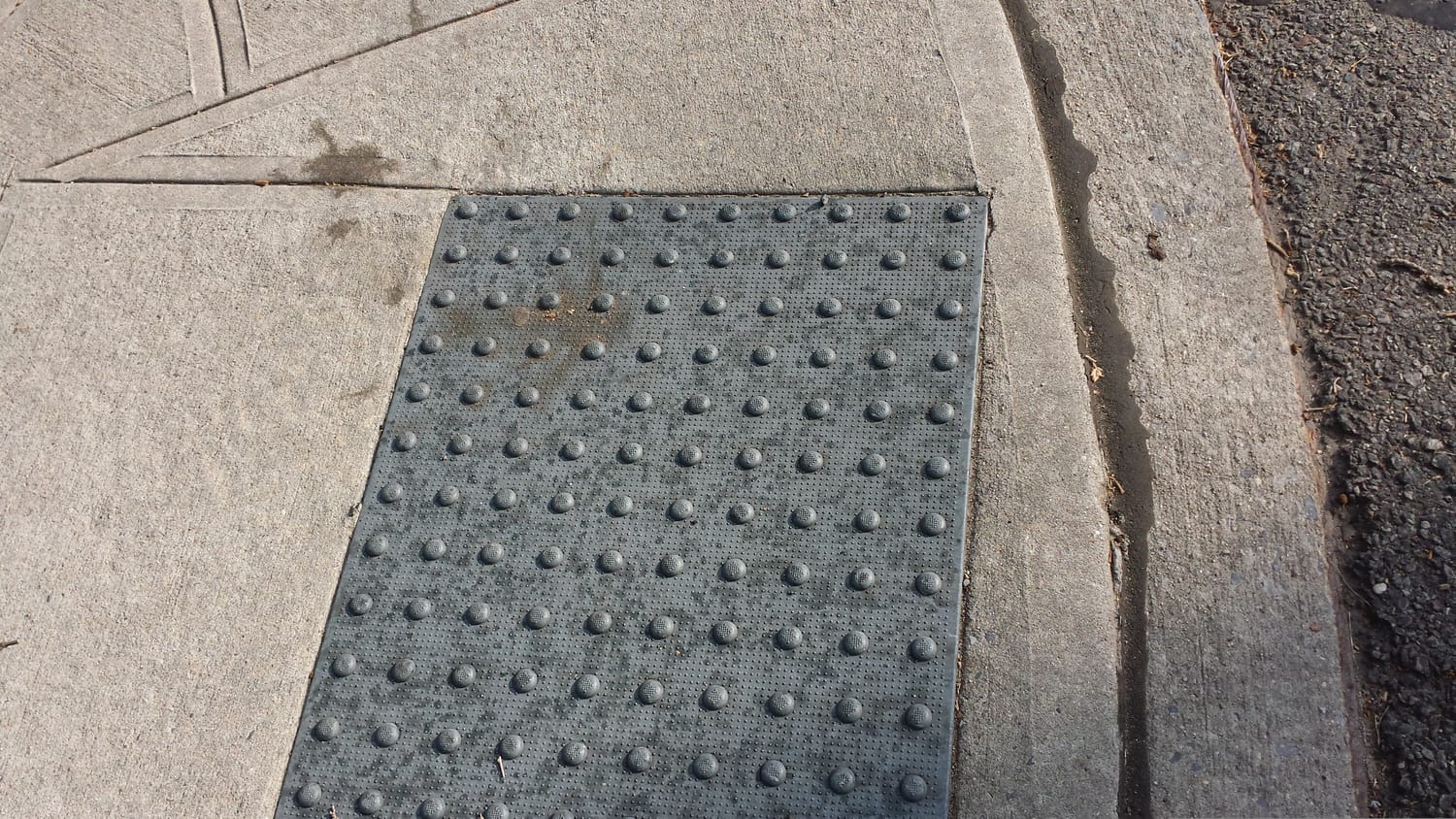
Curb cuts allow wheelchair users to safely cross streets while also helping individuals with strollers, bikes, and wheeled carts safely navigate sidewalks.
The social model was proposed by Michael Oliver in the 1980’s (Hogan 2019) as an alternative to the medical model. The social model moves disability from an individual’s impairment to a sociopolitical issue. Individuals with impairments are only disabled by the physical, social, and political systems that surround them. An unaccommodating society thus creates disabilities by not investing in infrastructure (elevators, ramps, curb cuts, etc.) and perpetuating stereotypes and stigma regarding disabilities. The social model focuses on removing physical, attitudinal, communicative, institutional, and similar barriers to allow individuals with impairments the opportunity to engage in all aspects of society. Thus, individuals with impairments are empowered through removal of stigma, granted access to physical spaces, and accommodated by social systems.
The social model allows for more neuro-affirmative support and is supported by most neurodiverse individuals (National Autistic Society 2026). Neuro-affirmative support includes:
identifying and reducing barriers (both environmental and attitudinal),
recognizing the strengths and personalities of neurodiverse individuals to allow them to pursue their own goals and interests, and
providing support to promote independence and autonomy.
Although the social model is an improvement over the moral and medical models of disability, it is important to understand that neurodiverse individuals may need different levels of support to be able to overcome specific barriers related to their impairments. For some individuals, medical interventions may improve their quality of life, but seen through the social model, these interventions should be at the discretion of the neurodiverse individual and not dictated from medical “experts” (Goering 2015).
In addition to these three primary models of disability, other models include the charity model, economic model, empowering model, identity model, and human rights model. Each of these models look at different aspects of disability and have different strengths and weaknesses as frameworks for disability discourse.
References
Goering, S. (2015). Rethinking disability: the social model of disability and chronic disease. Curr Rev Musculoskelet Med 8:134-138.
Hogan, A. (2019). Social and medical models of disability and mental health: evolution and renewal. CMAJ 191:E16-E18.
National Autistic Society (2026). Autism and Neurodiversity. https://www.autism.org.uk/advice-and-guidance/identity/autism-and-neurodiversity
Olkin, R. (2022). Conceptualizing Disability: three models of disability. American Psychological Association.
Created with systeme.io